Pain can affect much more than the area that hurts. A sore shoulder can make sleeping difficult. Lower back pain can change how you sit, walk or work. Muscle tension can leave you feeling restricted even when there is no obvious injury.
For some people, acupuncture can be a useful part of a broader approach to managing pain and supporting physical recovery.
If you are looking for Acupuncture in Mount Eden, it is worth understanding how acupuncture works, what treatment may involve, and how it can fit alongside physiotherapy and rehabilitation.
At Growth Physio, acupuncture can be considered as part of an individualised approach based on your symptoms, movement, goals and overall recovery needs.
What Is Acupuncture?
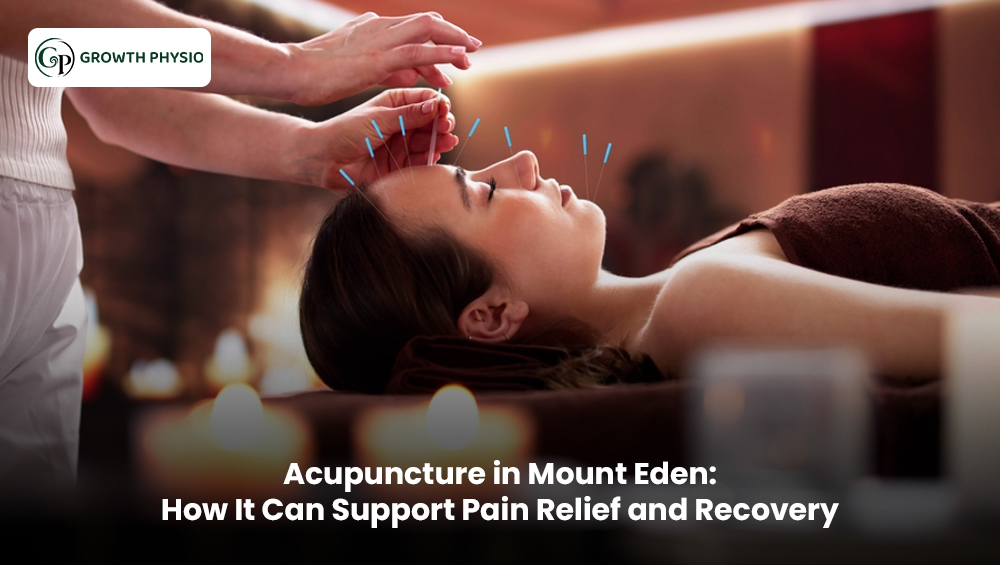
Acupuncture is a traditional treatment approach that involves inserting very fine needles into specific points of the body.
Modern clinical acupuncture is often used as part of a broader pain-management or rehabilitation plan. Rather than treating everyone in exactly the same way, practitioners consider factors such as the location of pain, muscle tension, movement limitations and the person’s goals.
For some patients, acupuncture may be used alongside other physiotherapy techniques rather than as a standalone treatment.
The goal is not simply to focus on where you feel pain. A good assessment looks at the bigger picture and considers what may be contributing to your symptoms.
How Can Acupuncture Support Pain Management?
Pain can have several contributing factors, including muscle tension, irritated tissues, previous injuries, changes in movement and ongoing physical stress.
Acupuncture may be used to support people experiencing issues such as:
- Muscle tightness and tension
- Certain types of neck or back pain
- Shoulder discomfort
- Sports-related aches and injuries
- Recovery following physical strain
- Persistent musculoskeletal pain
- Areas that feel restricted or uncomfortable during movement
The appropriate treatment depends on the individual.
This is why an assessment is important before deciding whether acupuncture is suitable for you.
Acupuncture and Physiotherapy: Can They Work Together?
One of the useful aspects of combining acupuncture with physiotherapy is that treatment can address different parts of the recovery process.
Physiotherapy may focus on movement, strength, mobility, exercise and functional recovery. Acupuncture may be incorporated to help manage certain symptoms, such as pain or muscle tension.
For example, someone with ongoing shoulder discomfort may benefit from a treatment plan that includes:
- An assessment of shoulder movement and function.
- Identification of factors contributing to the problem.
- Appropriate hands-on treatment where required.
- Acupuncture when clinically appropriate.
- Exercises to improve strength and mobility.
- Advice on activities and gradual return to normal movement.
The exact combination depends on the person’s condition.
Rather than choosing a treatment simply because it is popular, the focus should be on whether it makes sense for your particular situation.
What Happens During an Acupuncture Appointment?
If you have never tried acupuncture before, knowing what to expect can make the experience easier.
Your appointment may begin with questions about your symptoms, medical history, daily activities and treatment goals. Your practitioner may also assess movement and the area causing discomfort.
If acupuncture is appropriate, very fine needles are placed at selected points.
People experience acupuncture differently. Some notice a mild sensation during needle placement, while others may feel very little. Your practitioner should explain the process and answer questions before treatment begins.
Depending on your needs, acupuncture may form only one part of your appointment.
You may also receive exercises, movement advice or other physiotherapy treatment designed around your recovery.
Who Might Consider Acupuncture?
Acupuncture may be considered by people dealing with different types of musculoskeletal discomfort, particularly when pain or muscle tension is affecting everyday activities.
It may be relevant if you:
- Have recurring muscle tightness
- Are recovering from a sports injury
- Experience ongoing neck or back discomfort
- Have pain affecting exercise or work
- Want support alongside a physiotherapy rehabilitation plan
- Have tried other approaches but still experience symptoms
However, acupuncture is not automatically suitable for every person or every condition.
A professional assessment can help determine whether it is an appropriate option for you.
Why Local Care in Mount Eden Can Make Recovery Easier
Choosing a nearby clinic can make it easier to stay consistent with your treatment plan.
For people living or working around Mount Eden, Kingsland, Eden Terrace and surrounding Auckland suburbs, local access can be particularly convenient when treatment involves several appointments or ongoing rehabilitation.
Growth Physio is based at 151 Mount Eden Road, Mount Eden, Auckland, making it convenient for people seeking physiotherapy and related treatment in the area.
Local treatment also means you can discuss your everyday routine with your practitioner. Your work, exercise habits, hobbies and lifestyle can all provide useful context when developing a recovery plan.
What Should You Look for When Choosing Acupuncture in Mount Eden?
Not every treatment plan needs to look the same. When choosing a provider, consider whether they:
Start with an assessment
A proper assessment helps identify what may be contributing to your symptoms rather than simply treating the painful area.
Explain your treatment clearly
You should understand what is being recommended and why it may be useful for your situation.
Consider your goals
Treatment should take into account what you actually want to get back to, whether that is running, working comfortably, exercising or simply moving without discomfort.
Offer a broader rehabilitation approach
For many musculoskeletal problems, symptom management is only one part of recovery. Strength, mobility, movement habits and gradual return to activity can also matter.
Adapt treatment when needed
Your symptoms can change throughout recovery. A good treatment plan should be flexible enough to respond to your progress.
Acupuncture for Active People and Sports Recovery
You do not have to be a professional athlete to experience sports-related injuries.
Running, gym training, cycling, recreational sports and even sudden increases in activity can place extra demands on the body.
Acupuncture may sometimes be incorporated into a rehabilitation plan for people experiencing muscle tension or pain related to physical activity.
However, getting back to exercise should not simply depend on whether pain has reduced.
A structured rehabilitation programme may also consider strength, flexibility, balance, movement quality and the demands of your chosen activity.
This is where acupuncture and physiotherapy can potentially complement one another.
When Should You See a Physiotherapist?
You do not necessarily need to wait until pain becomes severe before seeking professional advice.
Consider arranging an assessment if pain is:
- Affecting your normal activities
- Preventing you from exercising
- Making sleep uncomfortable
- Returning repeatedly
- Getting worse over time
- Limiting your movement
- Continuing after an injury
A physiotherapist can assess the problem and help determine what type of treatment may be appropriate.
If symptoms suggest a condition requiring medical assessment, you may also be advised to see another healthcare professional.
Frequently Asked Questions
1 Is acupuncture painful?
Acupuncture uses very fine needles, and many people experience little discomfort. Sensations can vary between individuals and treatment areas. Your practitioner can explain what you may feel before treatment.
2 How many acupuncture sessions will I need?
There is no single number that applies to everyone. The number of sessions depends on your symptoms, response to treatment and overall goals. Your practitioner can discuss this after assessing you.
3 Can acupuncture be combined with physiotherapy?
Yes, acupuncture may be incorporated into a broader physiotherapy or rehabilitation plan when appropriate. The treatment combination should be based on your individual needs.
4 Is acupuncture suitable for back pain?
Acupuncture may be considered for some people experiencing back pain, but the cause and nature of the pain matter. A proper assessment helps determine whether it is an appropriate option.
5 Can acupuncture help with muscle tension?
Acupuncture may be used as part of a treatment approach for certain types of muscle tension and discomfort. It can also be combined with mobility work, exercise and other physiotherapy techniques.
Take the Next Step Towards Better Movement
Persistent pain can make everyday activities harder than they need to be. Instead of simply working around discomfort, getting the right assessment can help you understand what may be contributing to the problem and what options are available.
If you are considering Acupuncture in Mount Eden, talk with the team at Growth Physio about your symptoms and recovery goals. They can assess your situation and discuss whether acupuncture could form part of a personalised physiotherapy and rehabilitation plan.
Growth Physio is located at 151 Mount Eden Road, Mount Eden, Auckland. Contact the clinic to discuss your needs and take the next step towards moving more comfortably.