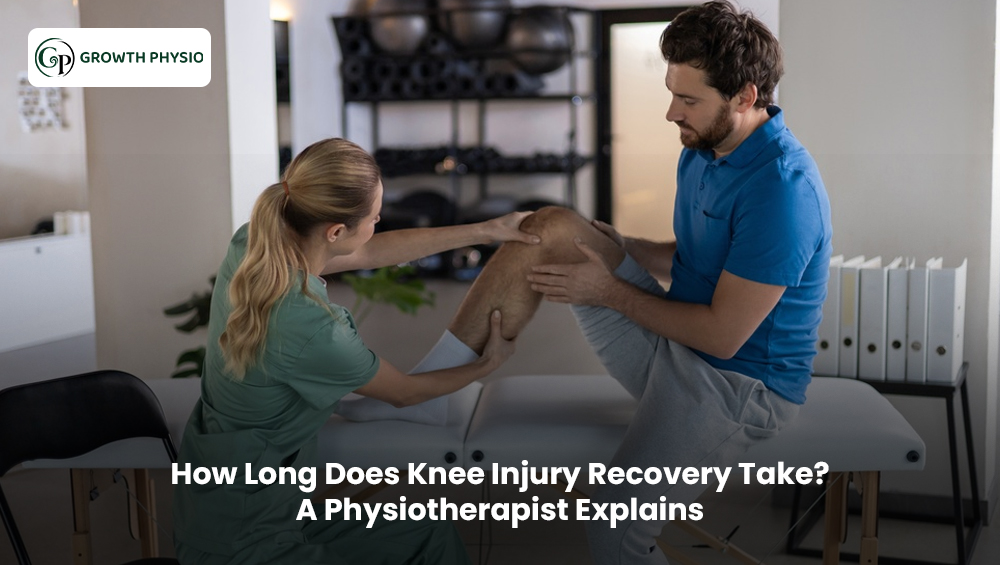
A knee injury can happen in seconds—but recovery takes time, patience, and the right rehabilitation plan. Whether you’ve twisted your knee during sport, injured it at work, or developed pain from everyday activities, one of the first questions people ask is:
“How long will my knee take to recover?”
The answer isn’t the same for everyone.
Recovery depends on the type of injury, your age, fitness level, lifestyle, and—most importantly—whether you receive proper rehabilitation. Research and physiotherapy guidelines consistently show that structured rehabilitation helps people regain strength, movement, and confidence while reducing the risk of future injury.
If you’re searching for Knee Injury Physiotherapy Auckland or Physiotherapy for Knee Pain Near Me, this guide explains realistic recovery timelines and how expert physiotherapy can help you get back to work, sport, and everyday life safely.
Why Every Knee Injury Is Different
Your knee is one of the most complex joints in your body.
It includes:
- Ligaments
- Tendons
- Cartilage
- Meniscus
- Muscles
- Bones
- Joint capsule
An injury to any one of these structures affects movement differently.
Two people with “knee pain” can have completely different recovery journeys.
For example:
- Mild ligament strain
- Meniscus tear
- Runner’s knee
- ACL injury
- Arthritis flare-up
- Tendon inflammation
Each requires its own treatment approach.
Common Types of Knee Injuries
1. Ligament Sprains (ACL, MCL, LCL)
Often caused by:
- Football
- Rugby
- Basketball
- Netball
- Skiing
- Sudden twisting movements
Typical recovery:
- Mild: 2–6 weeks
- Moderate: 6–12 weeks
- Severe/ACL reconstruction: 9–12 months with progressive rehabilitation.
2. Meniscus Tears
Symptoms include:
- Locking
- Clicking
- Swelling
- Pain while twisting
Recovery:
- Small tear: 4–8 weeks
- Surgical repair: 3–6 months
3. Patellofemoral Pain Syndrome (Runner’s Knee)
Very common among:
- Runners
- Cyclists
- Gym-goers
- Office workers
Recovery:
Most people improve within 6–12 weeks when following a targeted strengthening program.
4. Knee Tendon Injuries
Examples include:
- Patellar Tendinitis
- Jumper’s Knee
Recovery:
Usually 8–12 weeks, though chronic cases can take longer.
5. Knee Osteoarthritis
Recovery isn’t about “curing” arthritis.
Instead, physiotherapy helps:
- Reduce pain
- Improve mobility
- Build strength
- Delay surgery
Many people experience meaningful improvement within 6–12 weeks of consistent exercise therapy.
Average Knee Injury Recovery Timeline
| Injury | Estimated Recovery |
| Mild Knee Strain | 2–4 Weeks |
| Moderate Ligament Injury | 6–12 Weeks |
| Meniscus Tear | 4–12 Weeks |
| Runner’s Knee | 6–12 Weeks |
| Patellar Tendinitis | 8–12 Weeks |
| ACL Surgery | 9–12 Months |
| Knee Replacement Rehab | 3–6 Months |
These are general estimates. Your physiotherapist will tailor recovery milestones to your condition and progress.
What Affects Your Recovery Speed?
Several factors influence how quickly you recover:
Early Treatment
Starting physiotherapy soon after injury often leads to better outcomes than waiting until pain becomes severe.
Injury Severity
Small muscle strains recover much faster than ligament tears or cartilage injuries.
Age
Younger individuals may heal more quickly, but people of all ages can achieve excellent results with the right rehabilitation.
Exercise Compliance
Completing your prescribed home exercises is one of the strongest predictors of recovery success.
Overall Health
Sleep, nutrition, stress, weight management, and activity levels all play a role in healing.
Signs Your Knee Is Healing Properly
Positive signs include:
- Reduced swelling
- Less pain during walking
- Improved range of motion
- Better balance
- Increased strength
- Easier stair climbing
- Improved confidence during movement
Recovery should be gradual. Small weekly improvements are often more important than dramatic overnight changes.
Mistakes That Delay Knee Recovery
Many people unintentionally slow their recovery by:
- Ignoring pain for weeks
- Resting for too long
- Returning to sport too early
- Skipping rehabilitation exercises
- Wearing unsupportive footwear
- Depending only on pain medication
- Self-diagnosing from social media
Modern rehabilitation emphasizes progressive movement and strengthening rather than prolonged rest.
How Physiotherapy Speeds Up Recovery
Professional physiotherapy focuses on treating the cause of your knee pain—not just the symptoms.
A personalized rehabilitation program may include:
Comprehensive Assessment
Your physiotherapist evaluates:
- Walking pattern
- Muscle strength
- Joint mobility
- Balance
- Functional movement
Hands-On Treatment
Where appropriate, manual therapy can help improve joint mobility and reduce discomfort.
Strength Training
Targeted exercises strengthen:
- Quadriceps
- Hamstrings
- Glutes
- Calves
- Core muscles
Movement Retraining
Correcting movement patterns reduces unnecessary stress on the knee during walking, running, squatting, and sport.
Return-to-Sport Planning
For athletes, rehabilitation progresses through objective strength and functional testing before returning to play.
When Should You See a Physiotherapist?
Book an assessment if you experience:
- Knee pain lasting more than one week
- Swelling after activity
- Difficulty walking
- Clicking or locking
- Knee instability
- Sports injuries
- Repeated flare-ups
- Pain climbing stairs
- Difficulty squatting
Early assessment can help identify the underlying cause and prevent minor problems from becoming long-term issues.
Why Choose Growth Physio?
At Growth Physio, we provide evidence-based rehabilitation tailored to your goals.
Our approach includes:
- Thorough physiotherapy assessments
- Individual recovery plans
- ACC injury rehabilitation support
- Sports injury rehabilitation
- Manual therapy
- Strength and conditioning
- Functional movement training
- Injury prevention education
- Return-to-work and return-to-sport guidance
Whether you’re recovering from an acute injury or managing persistent knee pain, our team is committed to helping you move with confidence.
Final Thoughts
Knee injury recovery isn’t measured only by time—it’s measured by progress.
While some injuries heal within a few weeks, others require several months of structured rehabilitation. The most important step is getting an accurate diagnosis and following a personalised recovery plan.
If you’re looking for Knee Injury Physiotherapy Auckland or Physiotherapy for Knee Pain Near Me, early treatment and consistent rehabilitation can help you recover safely and reduce the risk of future injuries.
Frequently Asked Questions
1. How long does a mild knee injury take to heal?
Most mild knee strains improve within 2–6 weeks, depending on the injury and adherence to rehabilitation.
2. Can physiotherapy help avoid knee surgery?
In many cases, yes. Physiotherapy can improve strength, function, and pain management for conditions such as patellofemoral pain, tendon injuries, and some meniscus problems, potentially delaying or avoiding surgery.
3. Should I rest completely after a knee injury?
Not usually. Short-term protection may be appropriate, but prolonged rest can slow recovery. Guided movement and progressive exercise are generally recommended.
4. How many physiotherapy sessions will I need?
This depends on your injury. Minor issues may need 4–8 sessions, while post-surgical rehabilitation can require several months of follow-up.
5. Is knee pain always caused by arthritis?
No. Knee pain can result from ligament injuries, meniscus tears, tendon problems, muscle weakness, overuse, or sports injuries.