A knee injury can change the way you move through your day. Walking to work, climbing stairs, exercising, or standing for long periods may become uncomfortable. Even a small movement can sometimes trigger pain.
For some people, knee problems begin during sports or exercise. Others notice discomfort developing gradually without a clear injury.
Understanding what is causing your knee pain is an important step towards recovery. The right physiotherapy approach can help improve movement, rebuild strength, and make everyday activities easier.
If you are looking for knee injury physiotherapy in Mount Eden Auckland, understanding the available treatment options can help you make informed decisions. This guide covers common knee problems, rehabilitation approaches, recovery expectations, and ways to protect your knees.
Why Do Knee Injuries Affect Everyday Movement?
The knee is one of the body’s major weight-bearing joints. It connects the thighbone to the shinbone and helps support activities such as walking, running, jumping, and sitting.
Several structures work together to keep the knee stable. These include ligaments, tendons, muscles, cartilage, and bones.
When one of these structures becomes irritated or injured, normal movement can become difficult.
You may notice:
- Discomfort when climbing stairs.
- Stiffness after sitting for a long time.
- Pain during squatting or bending.
- Swelling after physical activity.
- Difficulty walking longer distances.
- Reduced confidence when participating in sports.
These symptoms can have different causes. A proper assessment helps identify the factors contributing to your discomfort.
Common Knee Problems That May Require Physiotherapy
Knee pain is not a single condition. Different injuries affect different structures, so treatment needs to match the underlying problem.
Ligament Injuries
Ligaments connect bones and provide stability to the knee. Sudden twisting, awkward landings, or direct impact can damage these structures.
Anterior cruciate ligament (ACL) and medial collateral ligament (MCL) injuries are common examples.
Possible symptoms include swelling, instability, pain, and difficulty changing direction.
Physiotherapy may help restore strength, balance, and movement control as part of an appropriate rehabilitation programme.
Meniscus Injuries
The meniscus is a cartilage structure that cushions the knee joint. It helps distribute pressure during movement.
A tear may occur during twisting movements or develop through age-related changes.
People with meniscus injuries may experience:
- Pain along the knee joint.
- Swelling and stiffness.
- Clicking or catching sensations.
- Difficulty fully straightening the leg.
Treatment depends on the tear, symptoms, and individual needs. Some injuries can be managed conservatively, while others require specialist assessment.
Patellofemoral Pain
Patellofemoral pain refers to discomfort around or behind the kneecap.
It can develop when activities place repeated stress on the joint. Running, jumping, squatting, and climbing stairs may increase symptoms.
Physiotherapy can address contributing factors such as muscle weakness, training load, and movement patterns.
Knee Tendon Problems
Tendons connect muscles to bones and help produce movement. Repetitive loading can irritate the patellar tendon, particularly in people who frequently jump or run.
A suitable rehabilitation plan may include gradual strengthening and adjustments to physical activity.
What Causes Knee Injuries?
Knee injuries can develop through sudden incidents or repeated physical stress. Understanding common contributing factors can help people make better decisions about their activities.
Sports and Physical Activity
Football, basketball, running, and other sports involve movements that place considerable demands on the knees.
Sudden direction changes, jumping, and landing can increase injury risk, especially when the body is not prepared for the activity.
Increasing Exercise Too Quickly
A sudden increase in workout intensity or running distance can place more stress on the knee than the body is prepared to handle.
Gradually increasing training demands gives muscles and joints time to adapt.
Muscle Weakness
The quadriceps, hamstrings, and hip muscles help control knee movement.
Reduced strength in these areas may affect movement control and how forces are distributed through the lower body.
Repetitive Daily Activities
Jobs involving frequent kneeling, lifting, squatting, or prolonged standing can contribute to knee discomfort.
Taking suitable breaks and managing physical demands may help reduce unnecessary strain.
When Should You Seek Knee Injury Physiotherapy?
Not every episode of knee discomfort requires professional treatment. However, persistent or recurring symptoms should not be ignored.
Consider arranging a physiotherapy assessment if you experience:
- Knee pain that interferes with normal activities.
- Repeated swelling after exercise.
- Difficulty bending or straightening your knee.
- Reduced balance or stability.
- Discomfort when walking or using stairs.
- Difficulty returning to your usual exercise routine.
A physiotherapist can assess your movement, discuss your symptoms, and recommend appropriate next steps.
Seek urgent medical attention if you cannot bear weight, have a visibly deformed knee, severe swelling after an injury, or a hot, red knee with fever.
How Physiotherapy Supports Knee Injury Rehabilitation
Physiotherapy aims to improve physical function through assessment, appropriate movement, and progressive rehabilitation.
The treatment plan depends on your injury, symptoms, general health, and activity goals.
Understanding Your Knee Condition
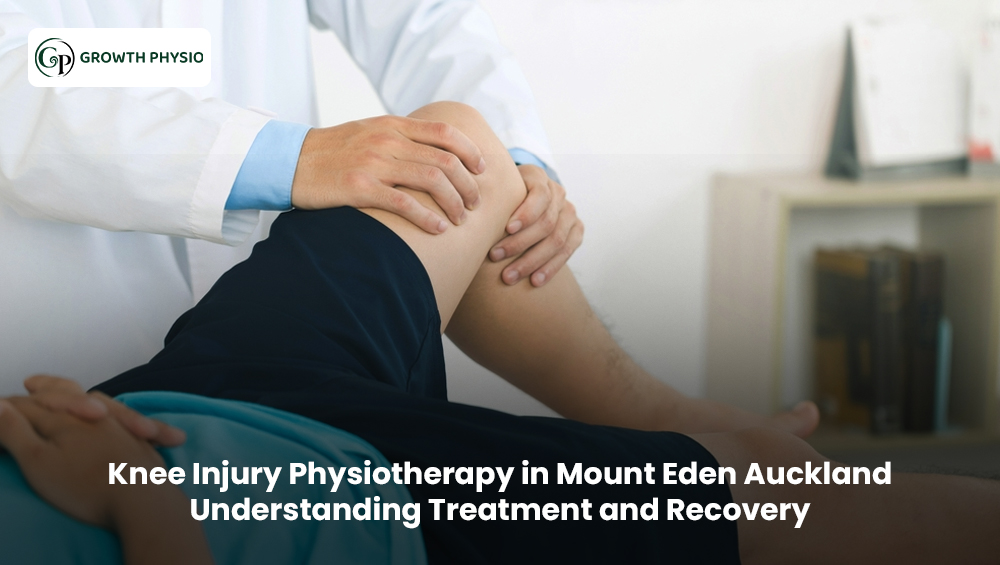
The first step usually involves a detailed assessment.
Your physiotherapist may ask about:
- When your symptoms started.
- Whether an accident or sports activity caused the injury.
- Which movements increase discomfort.
- Your usual exercise and work routine.
- Any previous knee problems.
They may also assess joint movement, muscle strength, balance, and walking patterns.
This helps guide the next stage of treatment.
Improving Strength and Movement
Reduced movement and muscle weakness can affect your ability to perform everyday tasks.
A personalised exercise programme may focus on improving:
- Quadriceps strength.
- Hamstring strength.
- Hip and glute stability.
- Knee flexibility.
- Balance and coordination.
Exercises should progress gradually according to your response and recovery.
Managing Pain and Activity Levels
You may need to temporarily modify certain activities while your knee recovers.
Your physiotherapist can help you understand which movements are appropriate and how to gradually return to your normal routine.
The aim is to maintain suitable physical activity without repeatedly aggravating your symptoms.
Returning to Sports and Exercise
Returning to sports requires more than simply feeling less pain.
Your rehabilitation may include strength testing, balance exercises, controlled jumping, and sport-specific movements.
A gradual return helps prepare your knee for the demands of your chosen activity.
Exercises That May Support Knee Strength
Exercise is an important part of many knee rehabilitation programmes. The right movements depend on your condition and current ability.
Here are some examples commonly used in rehabilitation.
Straight Leg Raises
Lie on your back with one knee bent and the other leg straight.
Tighten the thigh muscles of your straight leg. Slowly lift it, then lower it with control.
This movement helps activate the quadriceps without requiring significant knee bending.
Quadriceps Sets
Sit with your leg extended and gently tighten the muscles at the front of your thigh.
Hold for a few seconds before relaxing.
This exercise can help maintain quadriceps activation when knee movement is uncomfortable.
Supported Sit-to-Stand
Sit on a stable chair with your feet positioned comfortably.
Lean forward slightly and stand up slowly. Return to the chair with controlled movement.
This exercise develops strength for everyday activities.
Gentle Heel Slides
Lie on your back with both legs extended.
Slowly slide one heel towards your body, bending the knee as comfortably as possible. Return to the starting position.
This movement may help maintain knee mobility when appropriate.
Exercise safety: These examples are not suitable for every knee injury. Avoid movements that cause sharp pain, instability, or worsening swelling. Ask your physiotherapist which exercises are appropriate for your condition.
How Long Does Knee Injury Rehabilitation Take?
Recovery depends on the type of injury, its severity, treatment approach, and individual circumstances.
A mild strain may improve over several weeks. More significant ligament injuries can require months of rehabilitation.
Several factors influence recovery:
- The extent of tissue damage.
- Your overall strength and fitness.
- Consistency with rehabilitation.
- Whether additional medical treatment is needed.
- Your work, sport, and daily activity demands.
Recovery is not always a straight line. Some days may feel easier than others.
Regular progress reviews help determine whether your rehabilitation plan needs adjustment.
Practical Ways to Protect Your Knees
Looking after your knees involves building strength, managing activity, and paying attention to changes in movement.
Warm Up Before Physical Activity
Begin with gentle movements before running, playing sports, or completing demanding workouts.
Gradually increase intensity instead of starting with maximum effort.
Build Strength Consistently
Include appropriate exercises for your legs and hips. Strong muscles help support controlled movement during daily activities.
Choose Suitable Footwear
Wear comfortable shoes appropriate for your activities. Footwear should provide suitable support and allow comfortable movement.
Avoid Sudden Training Changes
Increase running distances, workout intensity, and exercise frequency gradually.
Allow enough recovery time between demanding sessions.
Respond to Early Warning Signs
If knee discomfort continues or becomes worse, adjust your activity and seek professional advice.
Addressing symptoms early may help prevent unnecessary disruption to your routine.
Why Consider Growth Physio in Mount Eden, Auckland?
Choosing the right physiotherapy support is an important part of managing an injury.
Growth Physio is located at 151 Mount Eden Road, Mount Eden, Auckland 1024, inside Bricks 4 Kidz.
The clinic provides physiotherapy services for people experiencing different movement and musculoskeletal concerns.
If knee discomfort is affecting your work, exercise, or everyday activities, a professional assessment can help you understand your options.
Growth Physio can help patients work towards goals such as:
- Improving knee mobility and movement.
- Building strength and physical confidence.
- Managing activity-related discomfort.
- Improving balance and coordination.
- Working towards a safe return to exercise.
Treatment should always be based on individual assessment rather than a one-size-fits-all approach.
Visit https://growthphysio.co.nz/ to learn more about the clinic and its physiotherapy services.
Frequently Asked Questions About Knee Injury Physiotherapy
Can Physiotherapy Help With Long-Term Knee Pain?
Physiotherapy may help manage many causes of persistent knee pain. Treatment can include strengthening, movement training, and activity adjustments. The appropriate approach depends on the underlying condition.
Is Walking Good for a Knee Injury?
Gentle walking may be suitable for some minor knee problems. However, walking can aggravate certain injuries. Follow professional advice and avoid activities that increase your symptoms.
Can Knee Injuries Heal Without Surgery?
Yes, many knee injuries can be managed without surgery. However, some severe injuries require surgical assessment. The decision depends on the injury and individual circumstances.
How Often Should I Attend Physiotherapy?
Appointment frequency depends on your condition, rehabilitation goals, and progress. Your physiotherapist can recommend a suitable schedule after assessment.
Can I Exercise While Recovering From a Knee Injury?
In many cases, appropriate exercise is part of recovery. However, activities may need modification to avoid excessive loading or further irritation.
Where Can I Find Knee Injury Physiotherapy in Mount Eden Auckland?
Growth Physio is located at 151 Mount Eden Road, Mount Eden, Auckland 1024. Visit the clinic website to learn about available services and appointment enquiries.
Final Thoughts
Knee injuries can affect your routine in ways you may not expect. Even simple activities can become challenging when movement feels uncomfortable.
Understanding the cause of your symptoms and choosing appropriate treatment can make managing a knee problem easier.
Physiotherapy offers a structured way to work on strength, mobility, balance, and everyday function. The right programme should reflect your injury and personal goals.
If knee discomfort is affecting your daily life, consider getting a professional assessment.
Need help managing a knee injury? Contact Growth Physio in Mount Eden, Auckland, to discuss your concerns and explore suitable physiotherapy options.
Website: https://growthphysio.co.nz/