
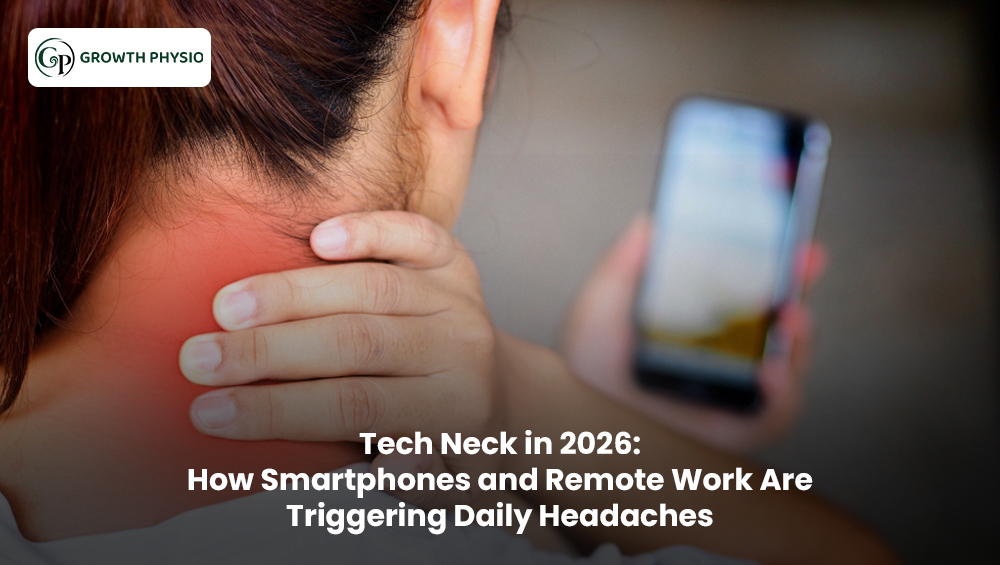
In 2026, people are spending more time than ever using smartphones, laptops, tablets, and multiple monitors. Hybrid jobs, remote work, online meetings, AI-powered workplaces, and endless scrolling have changed how we work—but they’ve also created a growing health problem known as Tech Neck.
If you’re experiencing headaches after work, neck stiffness, shoulder tension, or pain behind your eyes, your devices could be the real culprit.
Healthcare professionals are seeing a sharp rise in neck-related headaches caused by poor posture, prolonged sitting, and excessive screen time. Modern physiotherapy focuses not only on reducing pain but also identifying the underlying neck dysfunction contributing to headaches.
If you live in Auckland, understanding the signs early can help prevent long-term neck problems and recurring headaches.
Why Tech Neck Is Becoming a 2026 Health Epidic
The average office worker now spends several hours every day looking at digital screens. Remote work has reduced commuting—but increased sitting, poor posture, and repetitive neck strain.
Common modern habits include:
- Working from laptops on dining tables
- Looking down at phones for hours
- Long Zoom or Teams meetings
- Gaming after work
- Watching streaming services before bed
All these activities place continuous stress on the cervical spine.
Research continues to show that prolonged forward-head posture significantly increases stress on the neck muscles, joints, and discs, contributing to pain and headaches.
What Is Tech Neck?
Tech Neck (also called Text Neck) refers to repetitive strain on the neck caused by constantly looking down at electronic devices.
When your head moves forward, your neck muscles must support much more load than they were designed for.
Over time this can lead to:
- Muscle tightness
- Joint stiffness
- Reduced mobility
- Trigger points
- Cervicogenic (neck-related) headaches
- Shoulder pain
- Upper back discomfort
Without treatment, symptoms often become chronic.
How Smartphones and Remote Work Cause Daily Headaches
Many headaches actually begin in the neck.
Poor posture creates tension around the upper cervical spine. The irritated joints and muscles can refer pain into the head, resulting in what clinicians call cervicogenic headaches. Physiotherapists assess whether neck structures are contributing to headache symptoms before planning treatment.
Common workplace triggers include:
Poor Monitor Height
Looking down all day overloads the neck.
Laptop-Only Workstations
Without external keyboards or monitors, posture naturally worsens.
Continuous Smartphone Use
Scrolling while your head is bent forward increases strain.
Long Meetings
Remaining in one position for hours reduces circulation and increases stiffness.
Stress
Mental stress causes muscles around the neck and shoulders to tighten even further.
Common Symptoms You Should Never Ignore
Tech Neck doesn’t just cause neck pain.
Watch for:
- Frequent headaches
- Pain at the base of the skull
- Neck stiffness
- Shoulder tightness
- Pain behind the eyes
- Limited neck movement
- Tingling into the arms
- Jaw tension
- Upper back pain
- Difficulty concentrating because of pain
If symptoms continue for several weeks, professional assessment is recommended.
Who Is Most at Risk?
Anyone can develop Tech Neck, but it’s especially common among:
- Remote workers
- Office professionals
- Students
- Software developers
- Designers
- Gamers
- Healthcare administrators
- Teachers
- Business owners
- People spending more than 5–6 hours daily on screens
Even teenagers are increasingly affected because of prolonged smartphone use.
The Connection Between Neck Pain and Headaches
Many people believe every headache starts inside the head.
That’s not always true.
Neck joints, muscles, and nerves share pathways with structures involved in headache pain. When the upper neck becomes irritated, pain can spread to the back of the head, temples, forehead, or behind the eyes.
Typical neck-related headaches often:
- Start in the neck
- Spread upward
- Worsen after sitting
- Increase during computer work
- Improve temporarily after stretching
Unlike migraines, these headaches are often strongly influenced by neck movement and posture.
How Physiotherapy Helps Treat Neck-Related Headaches
Physiotherapy doesn’t simply mask symptoms—it aims to identify and treat the source of the problem.
Treatment may include:
Comprehensive Assessment
Understanding posture, movement patterns, muscle imbalance, and joint mobility.
Manual Therapy
Improving joint mobility while reducing muscle tension.
Posture Correction
Learning healthier sitting and working positions.
Strengthening Exercises
Building endurance in deep neck muscles, shoulders, and upper back.
Ergonomic Advice
Adjusting desks, monitors, keyboards, and chairs.
Movement Education
Teaching safe daily movement habits that reduce recurrence.
Evidence-based physiotherapy often combines manual therapy with therapeutic exercise and ergonomic strategies for posture-related neck pain.
Daily Habits That Prevent Tech Neck
Simple changes can dramatically reduce your risk.
Raise Your Screen
Keep monitors at eye level.
Follow the 30-Minute Rule
Stand, stretch, and move every 30 minutes.
Hold Your Phone Higher
Avoid constantly looking downward.
Strengthen Your Upper Back
Good posture starts with stronger supporting muscles.
Stretch Daily
Focus on:
- Chest muscles
- Upper trapezius
- Levator scapulae
- Neck mobility
Stay Active
Walking, swimming, yoga, and resistance training all help reduce stiffness.
When Should You See a Physiotherapist?
Book an assessment if:
- Headaches occur several times each week
- Pain lasts more than two weeks
- Neck stiffness limits movement
- Medication only provides temporary relief
- You experience recurring headaches after computer work
- Pain affects work productivity
- Sleep is disturbed by neck discomfort
Early treatment usually prevents long-term problems and supports faster recovery.
Why Choose Growth Physio in Auckland?
If Tech Neck is interfering with your work or daily life, professional care can help identify the root cause rather than simply treating symptoms.
At Growth Physio, patients receive personalised assessments, evidence-based physiotherapy treatment, movement education, and practical ergonomic advice designed to reduce neck pain and improve long-term function.
Whether you’re working remotely, commuting to the office, or constantly using digital devices, early physiotherapy intervention can help you return to comfortable movement and reduce recurring neck-related headaches.
Final Thoughts
Technology isn’t going away—but neck pain doesn’t have to become part of your daily routine.
By improving posture, staying active, taking regular movement breaks, and seeking physiotherapy when symptoms persist, you can reduce the risk of Tech Neck and protect your long-term spinal health.
If persistent headaches seem to appear after screen time or office work, they may actually be coming from your neck. Early assessment and targeted treatment can make a significant difference.
Frequently Asked Questions
1. What is Tech Neck?
Tech Neck is neck pain caused by prolonged smartphone, tablet, or computer use, often due to poor posture and forward head positioning.
2. Can neck problems cause headaches?
Yes. Dysfunction in the upper neck can trigger cervicogenic (neck-related) headaches that often begin in the neck and spread toward the head.
3. How do I know if my headache is coming from my neck?
If your headache worsens with neck movement, poor posture, or prolonged sitting and improves with stretching or movement, it may be neck-related. A physiotherapist can assess this.
4. Can physiotherapy help Tech Neck?
Yes. Physiotherapy can improve posture, restore neck mobility, reduce muscle tension, strengthen supporting muscles, and address contributing workplace ergonomics.
5. How long does recovery take?
Recovery varies depending on severity, duration of symptoms, posture habits, and consistency with treatment and exercises.