What Are Sports Injuries?
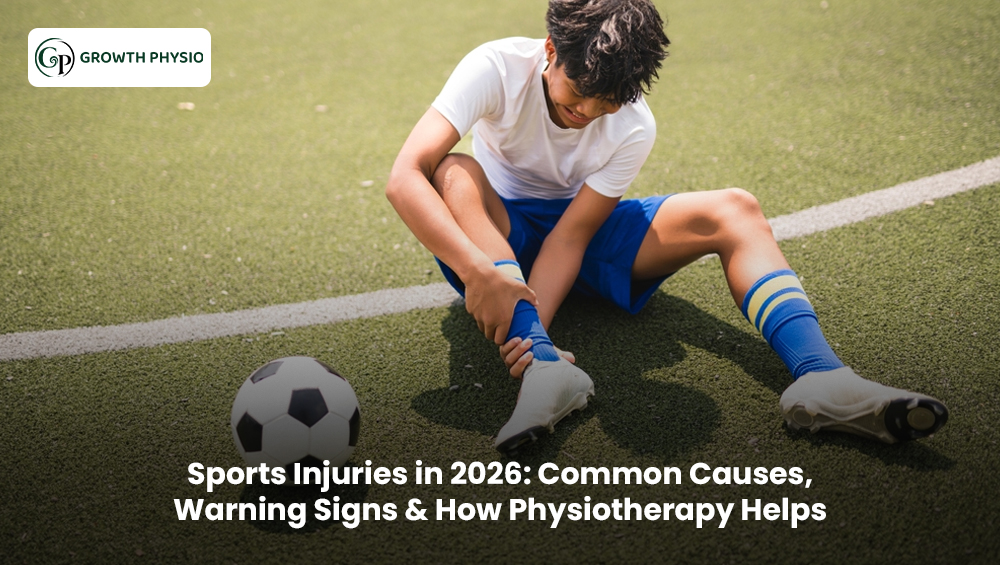
Sports injuries are injuries that occur during exercise, training, competition or recreational physical activity. They can affect muscles, tendons, ligaments, joints and bones.
Some injuries happen suddenly, such as an ankle sprain after an awkward landing. Others develop gradually because of repetitive loading, inadequate recovery, poor movement patterns or increasing training too quickly.
In New Zealand, sports and recreational injuries remain a significant issue. ACC reported that sport and recreation injuries in 2025 resulted in approximately 2.5 million days of weekly compensation and $389 million in scheme costs.
The good news is that appropriate assessment, rehabilitation and injury-prevention strategies can help many active people return to the activities they enjoy.
Why Are Sports Injuries Increasing in 2026?
The way people exercise is changing. More people are combining running, gym training, social sports, cycling, fitness classes and competitive events.
The problem is not necessarily exercise itself. It is often how quickly the body is exposed to a new physical demand.
Common situations include:
- Increasing running distance too quickly
- Returning to sport after a long break
- Training intensely without enough recovery
- Repeating the same movement for long periods
- Ignoring early pain
- Returning to competition before fully rehabilitating an injury
- Poor strength, balance or mobility
- Suddenly changing training volume or intensity
Recent New Zealand research has also highlighted the relationship between sports specialisation and injury among young people, reinforcing the importance of considering training demands and variety rather than simply doing more of one activity.
Most Common Sports Injuries
Different sports place different demands on the body, but some injuries appear frequently across recreational and competitive activities.
1. Ankle Sprains
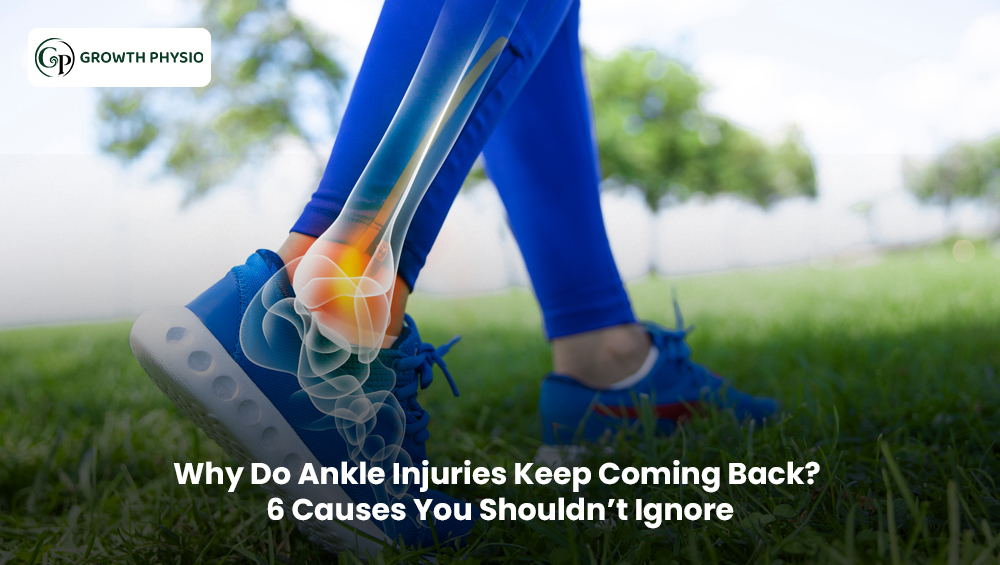
An ankle sprain can happen when you land awkwardly, change direction suddenly or roll your ankle.
Typical symptoms include:
- Pain
- Swelling
- Bruising
- Reduced movement
- Difficulty putting weight through the foot
A previous ankle sprain should not simply be forgotten once the pain disappears. Strength, balance and movement control may still need rehabilitation.
2. Knee Injuries
Knee injuries can occur in football, rugby, netball, basketball, running and other sports involving jumping, pivoting or rapid direction changes.
ACL injuries are particularly important in sports involving twisting and pivoting. Health New Zealand identifies rugby, netball and soccer among activities where ACL injuries can occur.
3. Hamstring Strains
Hamstring injuries are common in sports involving sprinting and rapid acceleration.
A player may feel a sudden sharp pain at the back of the thigh, often during a high-speed movement.
Returning too quickly can increase the risk of recurrence, making progressive rehabilitation important.
4. Muscle Strains
Strains can affect muscles or tendons and may occur when tissue is suddenly stretched or overloaded.
They are different from sprains, which involve ligaments. Health New Zealand lists pain, swelling, bruising and difficulty moving as possible symptoms of soft-tissue injuries.
5. Achilles Tendon Injuries
Running, jumping and repeated high-load activities can place significant demands on the Achilles tendon.
Persistent pain or stiffness around the heel or lower calf should not be ignored, particularly when symptoms repeatedly return after exercise.
6. Shoulder Injuries
Swimming, tennis, cricket, gym training and throwing sports can place substantial stress on the shoulder.
Common problems include shoulder pain, tendon irritation and instability.
7. Tennis Elbow
You do not have to play tennis to develop tennis elbow. Repetitive gripping and wrist movements can irritate the tissues around the outside of the elbow.
Physiotherapy may involve strengthening, stretching, activity modification and guidance on gradually returning to normal activity.
Common Causes of Sports Injuries
Sports injuries rarely have just one cause.
Sudden Increase in Training
One of the most common mistakes is doing too much too soon.
For example, someone who has not run for several months may suddenly begin running five or six days per week.
The cardiovascular system may feel capable of handling the workload while muscles, tendons and joints are still adapting.
Poor Recovery
Training creates stress. Recovery allows the body to adapt.
Insufficient rest between demanding sessions can increase fatigue and affect movement quality.
Previous Injury
A previous injury can change strength, mobility, confidence or movement patterns.
That does not mean you are destined to get injured again. It means your rehabilitation should address the factors that matter for your particular activity.
Poor Movement Control
Balance, coordination, landing technique, strength and joint control can influence how your body handles sporting movements.
Modern sports physiotherapy therefore focuses not only on pain but also on movement, function and sport-specific demands.
Warning Signs You Should Not Ignore
Not every ache means you need to stop exercising completely. However, certain symptoms deserve professional assessment.
Consider seeing a physiotherapist if you experience:
- Persistent or worsening pain
- Significant swelling
- Repeated joint instability
- Difficulty walking normally
- Loss of strength
- Reduced range of motion
- Pain that repeatedly returns during training
- Symptoms that continue despite reducing activity
- A previous injury that keeps recurring
- Difficulty returning to your normal sport
A sudden injury accompanied by severe pain, major deformity, inability to bear weight, significant neurological symptoms or other serious symptoms may require urgent medical assessment.
What Should You Do Immediately After a Sports Injury?
The first step is to stop or modify the activity that caused the problem.
For many soft-tissue injuries, Health New Zealand recommends balancing protection and rest with gentle movement that does not aggravate symptoms. Ice can be used for short periods for pain relief, while compression and elevation may help with swelling.
Avoid trying to “push through” significant pain simply because an important match or event is coming up.
The goal should be to understand the injury and create an appropriate recovery plan.
How Physiotherapy Helps With Sports Injuries
Sports physiotherapy is not simply about massage or treating pain.
A physiotherapist can assess how your injury happened, examine movement and function, identify contributing factors and develop a rehabilitation programme based on your goals.
Health New Zealand notes that physiotherapists help restore movement and function following injury and can support people returning to sport and work.
At Growth Physio, physiotherapy can form part of a structured approach that may include:
Assessment
Your physiotherapist evaluates the injured area, movement, strength, mobility and functional limitations.
Pain Management
Treatment strategies can help manage symptoms while you progressively restore normal movement.
Strength and Conditioning
Targeted exercises help rebuild the capacity required for everyday activities and sport.
Balance and Movement Training
For many lower-limb injuries, improving balance, coordination and movement control can be an important part of rehabilitation.
Sport-Specific Rehabilitation
A person returning to running does not necessarily need the same rehabilitation programme as someone returning to rugby, netball or tennis.
The rehabilitation process should reflect the demands of your activity.
Return-to-Sport Planning
Returning to sport should be a progression rather than a single decision.
You may need to progress from basic movement to strengthening, running, change of direction, jumping or sport-specific drills before returning to full competition.
Sports Injury Rehabilitation: What to Expect
Every injury is different, so there is no universal recovery timeline.
A typical rehabilitation journey may involve:
Step 1: Understand the injury and current limitations
Step 2: Reduce aggravating activities
Step 3: Restore comfortable movement
Step 4: Build strength and capacity
Step 5: Introduce sport-specific movements
Step 6: Increase training intensity gradually
Step 7: Return to competition or full activity
For example, ACL rehabilitation may involve strengthening the thigh, hip and calf, improving balance and agility, developing leg power and practising landing techniques. Health New Zealand notes that rehabilitation and return to sport can take many months depending on the injury and treatment pathway.
How to Prevent Sports Injuries
You cannot eliminate every injury risk, but you can improve your preparation.
Warm Up Properly
A progressive warm-up prepares your body for the movements ahead. ACC reports that structured SportSmart warm-ups and exercises have been associated with a reduction in injuries.
Increase Training Gradually
Avoid making large jumps in distance, intensity, frequency or resistance.
Build Strength
Strength training can help your muscles and joints tolerate the demands of sport.
Prioritise Recovery
Sleep, rest days and appropriate training loads are important parts of athletic preparation.
Do Not Ignore Persistent Pain
An occasional ache may settle, but recurring or progressively worsening pain deserves attention.
Rehabilitate Previous Injuries Properly
Feeling better is not always the same as being ready for full sport.
When Should You See a Physiotherapist?
You do not necessarily need to wait until an injury becomes severe.
A physiotherapist can be useful when:
- You have sustained an acute sports injury
- Pain is affecting your training
- An old injury keeps returning
- You are unsure when to return to sport
- You are starting a new high-demand activity
- You want an injury-prevention assessment
- You need a structured rehabilitation programme
Sports and exercise physiotherapy specifically covers injury prevention, management, rehabilitation and performance across different levels of participation.
Sports Injuries and ACC in New Zealand
If your sports injury occurred through an accident, ACC may contribute towards treatment depending on whether your claim is accepted.
Health New Zealand explains that ACC provides no-fault injury cover for residents and visitors to Aotearoa New Zealand and may contribute to treatment such as physiotherapy.
If you have been injured, ask your physiotherapy clinic about the ACC process and any applicable treatment costs.
Frequently Asked Questions
1 What are the most common sports injuries?
Common sports injuries include ankle sprains, knee injuries, muscle strains, hamstring injuries, Achilles tendon problems and shoulder injuries. The exact injury pattern depends on the sport and physical demands involved.
2 Can physiotherapy help sports injuries?
Yes. Physiotherapy can help with assessment, pain management, movement restoration, strengthening, rehabilitation and a gradual return to sport.
3 Should I stop exercising if I have a sports injury?
It depends on the injury. Continuing the activity that aggravates the injury may delay recovery, but complete inactivity is not always necessary. A physiotherapist can help determine what activity is appropriate.
4 How long does a sports injury take to heal?
Recovery time depends on the type and severity of injury, your general health, rehabilitation progress and the demands of your sport. Minor injuries may improve within days or weeks, while more significant injuries can require months of rehabilitation.
5 Can physiotherapy prevent sports injuries?
Physiotherapy can help identify modifiable risk factors, improve strength and movement control, and develop sport-specific injury-prevention strategies. However, no approach can guarantee that an injury will never occur.
Final Thoughts
Sports injuries can interrupt training, competition, work and everyday life. The smartest approach is not simply to wait for pain to disappear—it is to understand what caused the problem, rebuild physical capacity and return to activity progressively.
Whether you are a weekend runner, gym enthusiast, competitive athlete or simply getting back into exercise, Growth Physio can help you take a structured approach to sports injury management and rehabilitation.
If a sports injury is limiting your movement or keeping you away from the activities you enjoy, consider getting it assessed rather than repeatedly working around the problem.
Move better. Recover properly. Return stronger.