
Pain can change the way you work, exercise, sleep, and even handle simple daily tasks. A sore shoulder may make reaching overhead difficult. A knee injury can make stairs uncomfortable. An injury at work may leave you wondering when you can safely return to your usual routine.
For people living or working around Kingsland and nearby Auckland suburbs, physiotherapy can provide practical support for managing these problems and improving movement.
At Growth Physio, treatment is focused on understanding what is causing your symptoms, helping you move with more confidence, and building a recovery plan around your everyday needs.
When Should You Consider Physiotherapy?
You do not always need to wait until pain becomes severe before getting professional advice.
A physiotherapist can assess problems such as muscle strains, joint pain, sports injuries, movement restrictions, workplace injuries, and ongoing aches that have not settled on their own.
Some common signs that an assessment may be useful include:
- Pain that continues for several days or weeks
- Difficulty moving a joint normally
- Swelling or stiffness after an injury
- Pain while walking, lifting, reaching, or exercising
- Reduced strength or balance
- An injury that keeps returning
- Discomfort affecting work or everyday activities
The earlier the underlying issue is assessed, the easier it can be to understand what is contributing to the problem and what steps may help.
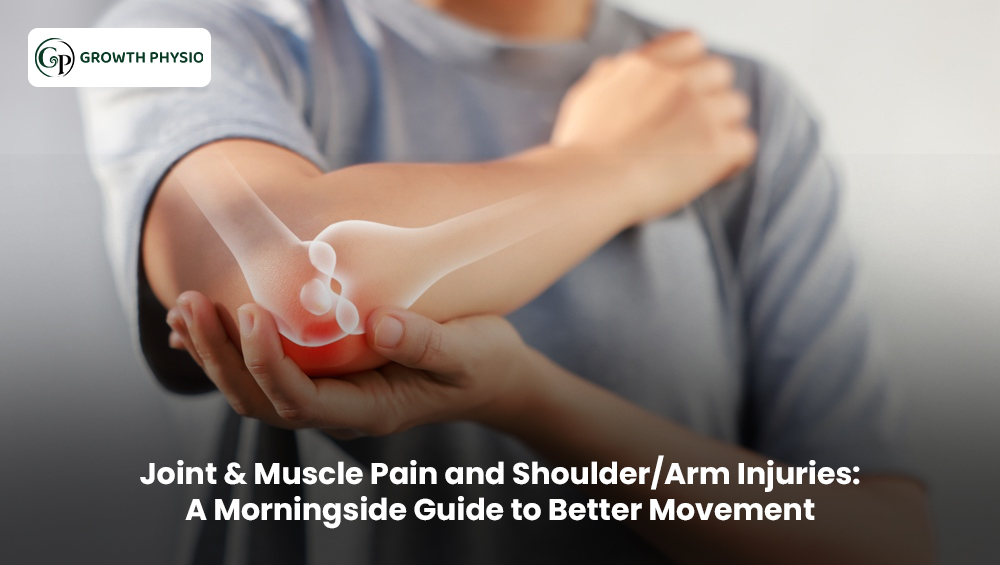
Shoulder and Arm Injuries Can Affect More Than Movement
Your shoulders and arms are involved in many everyday activities, from carrying shopping bags to working at a desk or lifting equipment.
Shoulder pain can develop after a sudden injury, repetitive activity, sport, poor movement patterns, or gradual changes in the muscles and joints.
Common symptoms may include:
- Pain when lifting or reaching
- Shoulder stiffness
- Weakness in the arm
- Discomfort while sleeping
- Pain during work or exercise
- Reduced range of movement
If you are searching for Shoulder/ Arm injuries Therapy in Kingsland, an individual assessment can help identify the movements and activities contributing to your symptoms.
Treatment may include hands-on techniques, targeted exercises, movement retraining, strengthening, and practical advice for modifying activities during recovery.
The goal is not simply to reduce discomfort temporarily. A good rehabilitation plan should also address strength, mobility, movement control, and confidence in using the affected area.
Workplace Injuries Need the Right Recovery Plan
Work can place very different demands on the body.
Someone working at a desk may develop neck, shoulder, or arm discomfort from prolonged positions. A tradesperson may experience pain after lifting or repetitive physical work. Someone working on their feet may develop problems affecting the knees, ankles, or lower limbs.
Occupational Injury Treatment in Kingsland can involve assessing how the injury happened and how your work activities may affect recovery.
Depending on the problem, physiotherapy may focus on:
- Restoring movement
- Improving strength
- Reducing pain and stiffness
- Gradually rebuilding work capacity
- Improving lifting or movement techniques
- Creating exercises for home and work
- Supporting a safe return to normal duties
Recovery does not necessarily mean stopping everything. In many situations, the right approach involves modifying activities while gradually rebuilding physical capacity.
Ankle and Knee Problems Can Make Everyday Activities Difficult
Your knees and ankles handle significant loads when you walk, climb stairs, run, jump, or stand.
An injury during sport can cause immediate pain and swelling, while other problems may develop gradually through repetitive loading, weakness, previous injuries, or changes in activity.
Symptoms worth getting assessed include:
- Knee or ankle pain when walking
- Swelling following an injury
- Difficulty using stairs
- Reduced balance
- Pain during running or exercise
- Stiffness after sitting
- Feeling unstable or weak
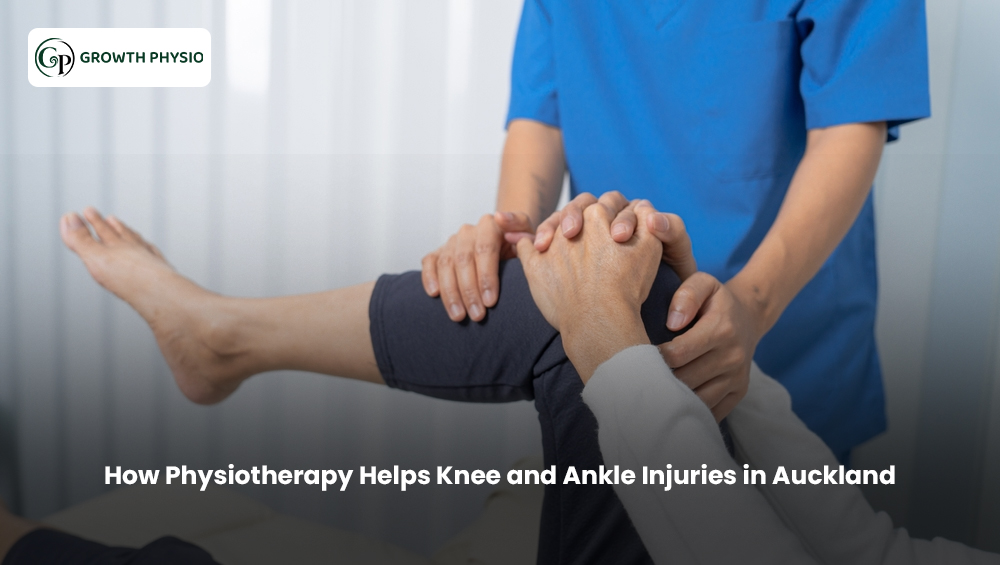
If you are looking for Ankle and Knee injuries treatment in Kingsland, a physiotherapy assessment can help determine what movements are limited and which areas may need strengthening or rehabilitation.
Treatment will depend on the injury and individual circumstances. It may involve mobility work, progressive strengthening, balance exercises, activity modification, and a gradual return to exercise.
What Happens During a Physiotherapy Appointment?
Many people feel unsure about what to expect from their first appointment.
Your physiotherapist will generally begin by discussing your symptoms, medical or injury history, daily activities, and what you want to get back to doing.
They may then assess:
- Joint movement
- Muscle strength
- Balance and coordination
- Functional movement
- Pain during specific activities
- The area surrounding the injury
This information helps build a treatment plan that fits your situation.
You may also receive exercises to complete between appointments. These are important because rehabilitation often depends on consistent progress outside the clinic as well as treatment during appointments.
Your Treatment Should Fit Your Life
No two injuries affect people in exactly the same way.
A recreational runner may have different goals from someone who needs to return to physical work. A parent may simply want to move without pain while looking after their children. An office worker may need help managing discomfort during long working hours.
That is why rehabilitation should consider more than the painful area.
At Growth Physio, treatment can be planned around your goals, activity level, work requirements, and stage of recovery. The focus is on helping you understand your condition and giving you practical steps to move forward.
Choosing Physiotherapy Near Kingsland
Location matters when you are attending rehabilitation appointments, particularly if you need several sessions during recovery.
Growth Physio is based at 151 Mount Eden Road, Mount Eden, Auckland 1024, making it accessible for people travelling from Kingsland and surrounding central Auckland suburbs.
Rather than choosing treatment based only on distance, consider whether the clinic can address your specific concern, explain your treatment clearly, and provide a rehabilitation plan you can realistically follow.
Frequently Asked Questions
1 How do I know if my shoulder pain needs physiotherapy?
If shoulder pain is persistent, affecting movement, limiting work or exercise, or making everyday activities difficult, an assessment can be useful. A physiotherapist can assess the problem and recommend appropriate next steps.
2 Can physiotherapy help with workplace injuries?
Yes. Physiotherapy can form part of rehabilitation following many workplace-related injuries. Treatment may focus on movement, strength, function, and gradually returning to normal work activities.
3 How long does an ankle or knee injury take to recover?
Recovery time varies considerably depending on the type and severity of the injury, your general activity level, previous injuries, and how your body responds to rehabilitation. Your physiotherapist can give you a more personalised recovery plan after assessment.
4 Do I need a referral to see a physiotherapist?
For many physiotherapy appointments, you can contact a clinic directly. If your injury is related to an ACC claim or another specific circumstance, the requirements can vary, so it is worth discussing this with the clinic when booking.
5 Should I exercise when I have pain?
It depends on the cause and severity of your symptoms. Some exercises may support recovery, while certain activities may aggravate an injury. A physiotherapist can help identify suitable exercises and advise how to progress them safely.
Take the Next Step Towards Better Movement
Pain does not always disappear simply because you wait. If an injury is affecting your work, exercise, sleep, or everyday movement, getting it assessed can give you a clearer understanding of what is happening and what you can do next.
If you live or work around Kingsland, Mount Eden, and nearby Auckland suburbs, Growth Physio can help you work towards better movement and a confident return to your usual activities.
Contact Growth Physio to discuss your symptoms and arrange an appointment tailored to your needs.