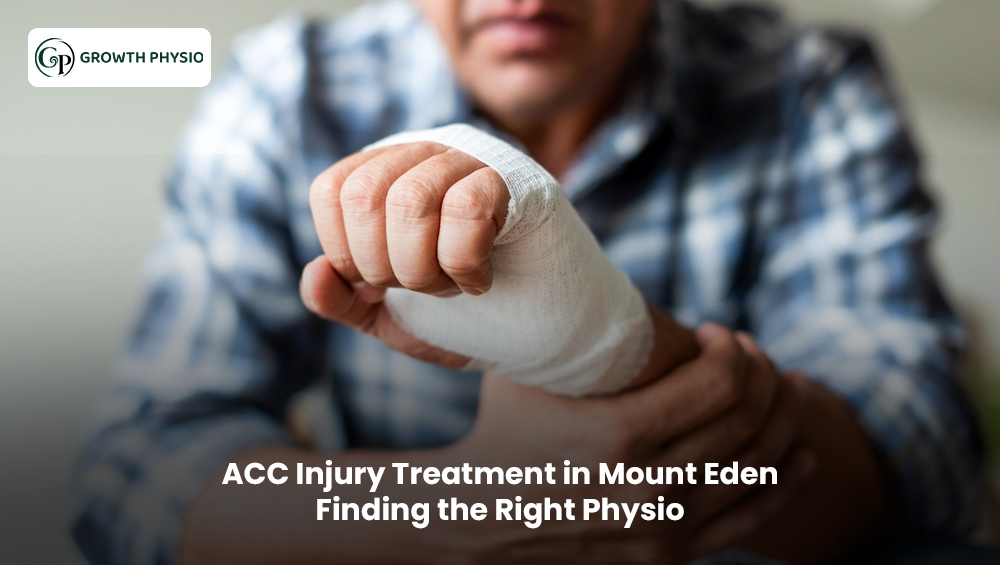
An injury can change your routine in a matter of seconds. A twisted ankle during a run, a back strain at work, or a shoulder injury at the gym can make everyday activities harder than expected. Along with the pain, you may have questions about treatment, recovery, and whether ACC can help cover the cost.
If you’re searching for ACC physio near me in Mount Eden, Auckland, understanding your options is a good place to start.
Physiotherapy can help you manage an injury, improve movement, rebuild strength, and work towards your usual activities. For eligible injuries, New Zealand’s Accident Compensation Corporation (ACC) may contribute towards treatment costs.
Growth Physio in Mount Eden provides a local option for people seeking physiotherapy support. Here’s what to know about ACC physiotherapy, the treatment process, and choosing the right support for your recovery.
What Is ACC Physiotherapy and How Does It Work?
ACC physiotherapy is treatment for eligible injuries covered by New Zealand’s accident compensation scheme. It aims to support recovery and help people return to their everyday activities.
A physiotherapist assesses your injury, discusses your symptoms, and develops a treatment plan suited to your needs. Depending on your condition, treatment may include guided exercises, mobility work, hands-on techniques, and advice about managing daily activities.
ACC may contribute towards the cost of eligible treatment. However, ACC does not automatically cover every injury or the full cost of every appointment. Your eligibility and any patient contribution depend on your circumstances and the applicable arrangements.
According to ACC’s guidance for injured people, a physiotherapist can assess an injury and lodge an ACC claim when appropriate. You should ask your clinic about appointment fees and any amount you may need to pay.
When Should You See an ACC Physio in Mount Eden?
You don’t need to wait until an injury becomes a long-term problem before seeking professional advice. If pain, swelling, stiffness, or reduced movement is affecting your routine after an accident, a physiotherapy assessment may help clarify your next steps.
Here are some common situations where physiotherapy may be useful.
Sports Injuries and Muscle Strains
A sudden change of direction on the football field or an awkward landing during a workout can lead to a sprain or muscle strain.
A physiotherapist can assess your movement, identify functional limitations, and recommend suitable rehabilitation exercises. Your plan may focus on improving strength, balance, flexibility, and confidence before returning to sport.
Back and Neck Injuries
Back and neck injuries can make driving, sitting at a desk, lifting objects, or sleeping uncomfortable.
After assessing your symptoms, a physiotherapist may recommend gentle movement, strengthening exercises, and practical adjustments to your activities. The approach depends on the nature of the injury and your individual needs.
Seek urgent medical assessment for serious symptoms, including new bladder or bowel problems, significant weakness, or other concerning neurological changes.
Knee, Ankle, and Shoulder Injuries
Falls, sporting accidents, and sudden movements can affect joints and surrounding tissues.
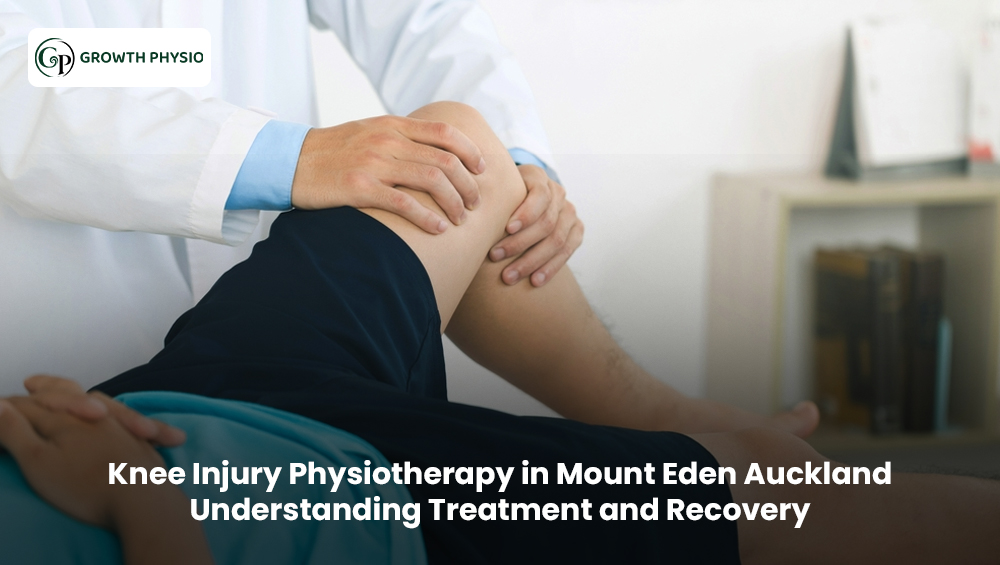
Knee injuries may make walking or climbing stairs difficult. An ankle sprain can affect balance, while a shoulder injury may limit reaching or lifting.
Physiotherapy can help address these difficulties through appropriate movement and strengthening exercises. Treatment should be based on the assessment rather than a one-size-fits-all routine.
Workplace Injuries and Accidental Falls
An injury may happen while lifting equipment, slipping on a wet surface, or carrying out repetitive physical tasks.
A physiotherapist can help you understand your movement limitations and plan a gradual return to normal activities. If your injury affects your ability to work, ask your healthcare provider about appropriate rehabilitation and any further support you may need.
Remember that ACC eligibility depends on the circumstances and nature of the injury, not simply where it happened.
How Does the ACC Physiotherapy Process Work in Auckland?
If you’ve never used ACC physiotherapy before, the process may seem confusing. Knowing the usual steps can make your first appointment easier.
Step 1: Arrange an Assessment
Contact a physiotherapy clinic and explain what happened, when the injury occurred, and how it affects your daily activities.
Ask whether the clinic can assess your injury and help with the relevant ACC claim process.
Step 2: Discuss the Injury and ACC Claim
Your physiotherapist will ask questions about the accident, symptoms, and any previous treatment.
If appropriate, the provider can lodge an ACC injury claim on your behalf. ACC then assesses whether the injury qualifies for cover. You may need to provide additional information if requested.
You can read the official process on the ACC website.
Step 3: Understand Your Treatment Plan
Once your injury has been assessed, your physiotherapist can explain the recommended treatment and rehabilitation goals.
These may include reducing movement limitations, improving strength, or gradually returning to work and sport.
Ask about the expected treatment schedule, any exercises to complete at home, and the costs involved.
Step 4: Monitor Your Progress
Recovery is not always a straight line. Some injuries improve quickly, while others need a more gradual approach.
Follow-up appointments allow your physiotherapist to review your progress and adjust exercises or treatment where necessary.
What Should You Expect During Your First ACC Physio Appointment?
Your first appointment is an opportunity to explain what’s happened and understand how physiotherapy may help.
Although the exact process varies, your assessment may include the following.
- Your injury history: Explain how the accident happened, when symptoms started, and which activities are difficult.
- Movement assessment: Your physiotherapist may check your mobility, strength, balance, and relevant movements.
- Discussion of your goals: You might want to walk comfortably, return to work, play sport, or lift objects without difficulty.
- Treatment recommendations: Your physiotherapist will discuss suitable options based on the assessment.
- Home exercises: You may receive exercises or activity advice to support your rehabilitation between appointments.
Wear comfortable clothing that allows you to move easily. Bring any relevant medical information, details of previous treatment, and your ACC claim number if you already have one.
Don’t worry if you don’t know the exact name of your injury. Explaining what happened and what you’re experiencing is a useful starting point.
What Treatments Can Help With ACC-Related Injuries?
There is no single treatment that suits every injury. Your physiotherapist should select techniques based on your assessment, symptoms, goals, and stage of recovery.
Common physiotherapy approaches include:
Exercise-based rehabilitation: Targeted exercises can help improve strength, mobility, balance, and control.
Mobility exercises: Appropriate movements may help address stiffness and restore comfortable movement.
Hands-on treatment: Manual techniques may be used when suitable to help manage symptoms or movement restrictions.
Movement education: Understanding how to modify activities can help you remain active while recovering.
Return-to-work or sports planning: Gradual progression can help you rebuild capacity for the physical demands of your usual routine.
Your treatment plan may combine several approaches. Your physiotherapist should explain why each is appropriate and how it relates to your recovery goals.
How Long Does ACC Injury Rehabilitation Take?
One of the first questions people ask is how long they will need physiotherapy.
The answer depends on the injury. A mild sprain may improve sooner than a significant ligament injury or a complex shoulder problem. Your overall health, daily demands, and consistency with rehabilitation can also influence progress.
Rather than relying on a fixed recovery timeline, focus on measurable improvements.
You might notice that walking becomes easier, your range of movement improves, or you can gradually return to activities that previously caused discomfort.
Your physiotherapist can review these changes and adjust your plan. If symptoms worsen, recovery stalls, or new symptoms appear, discuss them promptly with your healthcare provider.
How to Choose an Expert Physiotherapist in Mount Eden
Searching for an ACC physio near Mount Eden can bring up several options. The right choice should offer more than convenient appointment times.
Consider these factors before booking.
Experience With Your Type of Injury
Ask whether the physiotherapist regularly assesses injuries similar to yours, such as sports injuries, joint sprains, muscle strains, or back problems.
Clear Assessment and Communication
You should understand what your physiotherapist is assessing, why a particular treatment is recommended, and what you can do between appointments.
Individual Rehabilitation Plans
Your treatment should reflect your injury, physical abilities, daily responsibilities, and recovery goals.
Clear ACC and Appointment Information
Ask whether the clinic can assist with ACC claims, what the current appointment fee is, and what contribution you may need to pay.
Convenient Local Access
Choosing a clinic close to home or work can make it easier to attend appointments and maintain your rehabilitation routine.
These factors can help you make an informed decision without relying on unsupported promises or claims of guaranteed results.
Why Choose a Local ACC Physio in Mount Eden, Auckland?
When you’re recovering from an injury, getting to appointments shouldn’t become another challenge.
A local physiotherapy clinic can make it easier to fit treatment around work, family responsibilities, exercise, and other commitments.
For people living or working in Mount Eden and nearby Central Auckland suburbs, choosing a conveniently located clinic may help maintain consistency with follow-up appointments and home exercises.
Growth Physio offers a local option for people seeking physiotherapy support in Mount Eden. Before booking, contact the clinic to confirm appointment availability, ACC arrangements, and whether it is suitable for your particular injury.
The most important consideration is finding a physiotherapist who understands your needs and can guide you through an appropriate rehabilitation plan.
Frequently Asked Questions About ACC Physiotherapy
1. Can I See a Physio for an ACC Injury Without a GP Referral?
In many cases, you can contact a physiotherapist directly after an injury. ACC’s physiotherapy guidance allows people to self-refer following an injury event. Your physiotherapist can assess the injury and lodge a claim where appropriate. Some situations may require additional referral or approval.
2. Does ACC Cover Physiotherapy Treatment?
ACC may contribute towards physiotherapy costs when your injury is covered and the treatment meets the applicable requirements. You may still need to pay a contribution. Ask the clinic about its current fees and what ACC is expected to cover.
3. What Injuries May Qualify for ACC Support?
ACC may cover eligible injuries caused by an accident, including certain sprains, strains, and other physical injuries. Cover depends on the circumstances and ACC’s assessment. Not every health condition or existing problem automatically qualifies.
4. What Should I Bring to My First ACC Physio Appointment?
Bring your ACC claim number if available, relevant medical information, details of previous treatment, and comfortable clothing. Be ready to explain how the injury occurred and which activities are difficult.
5. How Many ACC Physiotherapy Sessions Will I Need?
The number of appointments depends on your injury, progress, and treatment needs. Your physiotherapist can discuss a suitable plan and review it as you recover. Additional treatment may require ACC approval in some circumstances.
Get Support for Your ACC-Related Injury at Growth Physio
An injury can leave you unsure about what to do next. Understanding your treatment options is a practical first step towards recovery.
If you’re looking for expert physiotherapy for ACC-related injuries in Mount Eden, Auckland, Growth Physio can be a starting point for discussing your needs and arranging an assessment.
Whether your injury affects walking, working, exercising, or everyday movement, the next step is to have it assessed and understand which treatment options may be suitable.
Contact Growth Physio to ask about ACC physiotherapy appointments, the claim process, and treatment options for your injury.
Take the first step towards moving with greater confidence again.